Clinical Psychology · Clinical Neuropsychology
Neuropsych matters
What happens to us shapes the brain.
What happens in us shapes it too.
Actively working with this interaction…
That is also neuropsychology
Respectful, careful and individualised approaches to client engagements — integrative therapeutic clinical interventions.
Complexity deserves rigor, not shortcuts. Numbers without context mislead. Stories without data drift. We work with both.
Since 2015
In clinical practice
0
Non-clinical skills from diverse sectors in industry
0
Young adults and older
Integrative
Clinical approach
What is Neuropsychology
The brain changes across the lifespan — through development, experience, and, at times, illness or injury
When to Assess
Signs that an assessment may help
- When there are noticeable changes in memory, attention, or concentration
- When there are changes in language, planning, emotional regulation, or behaviour
- After a concussion, traumatic head injury, stroke, or neurological illness
- When there are queries relating to capacity, functioning, or a diagnosis
- Following a referral usually from a neurologist, psychiatrist, neurosurgeon, physician, or psychologist
- To further guide treatment, rehabilitation, support, or for future planning
- Children from age 7
- Adolescents
- Adults
- Older adults
Therapeutic Discovery
An integrative, person-centred lens
Complex Lived Experiences
01
The Biological Dimension
02
The Psychological Dimension
03
Socio-Environmental Dimension
04
Cognitive Remediation
05
Integrative Methods
06
Caregiver Support

The Process
Before Intervening First you must know Where you stand
01
Clinical interview & history
02
Tailored assessment
03
Feedback
04
Recommendations & support
Assessments
Findings that hold meaning in everyday life

Neuropsychological assessment is a process, not a single point of testing.
It is better to conceptualise the neuropsychological assessment as a process, rather than as a single point of testing. The starting point is usually uncertain, and the work is also about clarifying what matters and finding a way around it.
But there are no guarantees that all the questions will be answered. Sometimes the answers are known already. Sometimes, they are revelations. Often the answers may not be those that one may want to hear. Perhaps the objective may also be to learn how to live a new normal, to gain acceptance, or to find a new path to move forward.
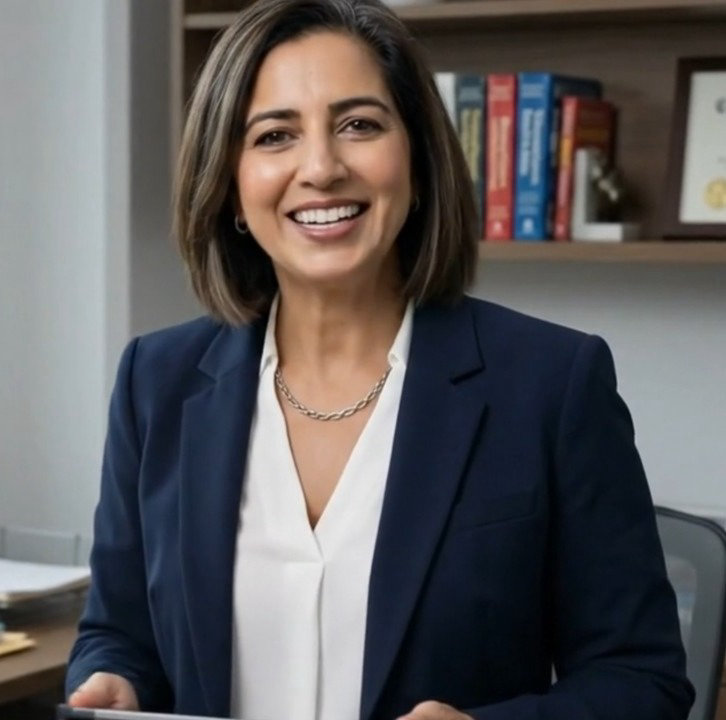
About Urvashi
The mindset of inquiry, applied with care
The path here was not a straight one.
Qualifications and Credentials
Qualifications and Credentials
Fees & Medical Aid
Common questions
Most South African medical aids cover time spent on face-to-face consultations and assessments required for clinical purposes — subject to the referral, condition, and available funds. The current system works on a sliding scale, so at least a portion of face-to-face time is generally covered.
Medical aids do not typically cover collateral interviews, scoring, interpretation, and the report, which can take a further 2–3 hours after the assessment. Summary reports are generally not covered and are for the client’s own account.
Any assessments required for medico-legal, insurance, vocational, or curatorship purposes — including the face-to-face time and reports — must be settled by the requesting party and are not covered by medical aids.
Assessments are available for children from 7 years of age, adolescents, adults, and older adults — depending on the referral question and clinical context.
Documents
Documents
Consent & POPIA notice
Informed-consent and privacy documentation, in line with the HPCSA and POPIA. Read it online, or print and sign it ahead of your appointment.
Open formBackground Information
Ahead of an assessment or therapy, new clients can complete the relevant paperwork needed for the referral. This includes aspects relating to the referral such as the person to be assessed, the referral source, identified issues/problems/symptoms, as well as the contact details.
Open BackgroundWhat to Expect
An assessment is not a “test” but a process. This explains how it unfolds — from referral through to recommendations — and sets out the sessions involved, with their procedure codes and fee guidance.
Open ProcessContact
Let’s start a conversation
Whether you have a question or would like to arrange a consultation, I’d be glad to hear from you.
- Email urvashi@neuropsychmatters.co.za
- Telephone +27 82 904 9867
- Website www.neuropsychmatters.co.za
- Practice Suite 105, Office & Co, 177 Oxford Road, Rosebank, 2193, Johannesburg, South Africa
- Practice number Pr No 0570540